
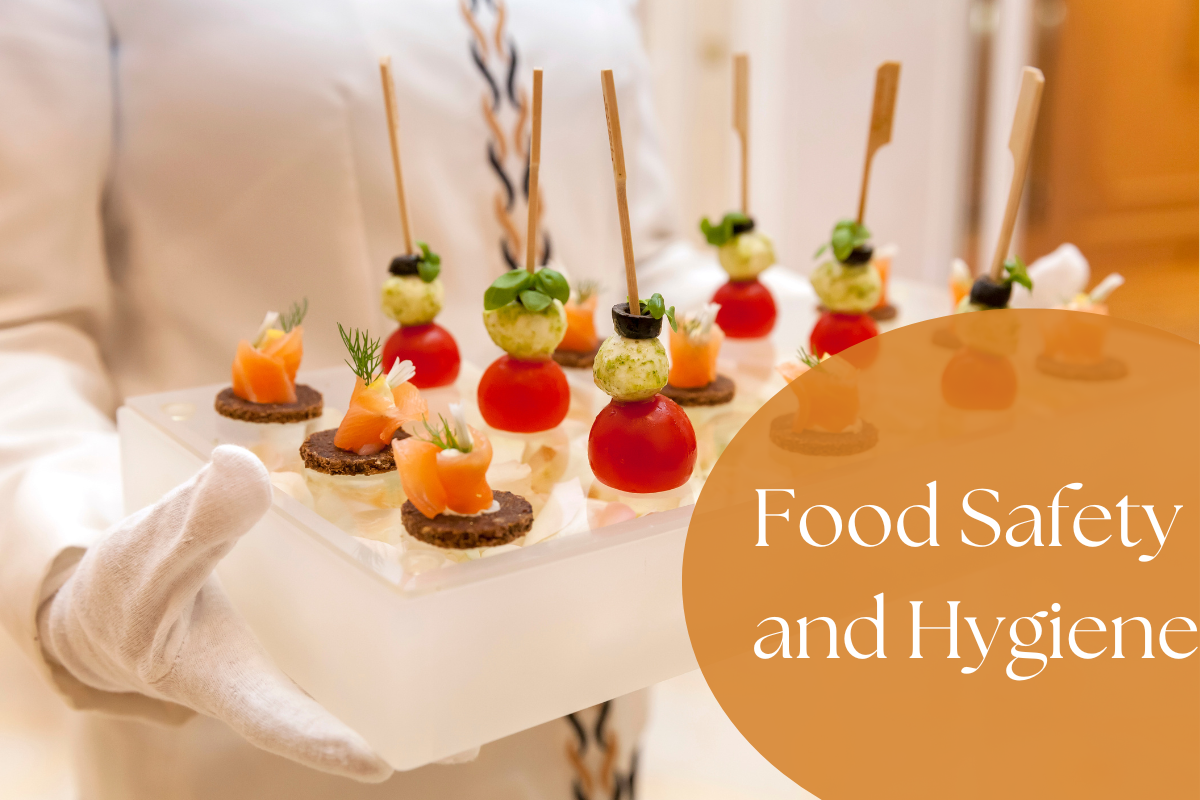
Food safety and hygiene are critical components of the food industry, essential for ensuring that consumers receive safe, high-quality products. Whether operating a restaurant, managing a food manufacturing plant, or even preparing meals at home, maintaining rigorous food safety standards is vital to prevent foodborne illnesses and protect public health. This article explores the best practices for maintaining high standards of food safety and hygiene across different settings, offering insights and practical tips that can be implemented by food businesses and consumers alike.
1. Understanding Food Safety and Hygiene
Before delving into specific practices, it’s important to understand what food safety and hygiene entail.
- Food Safety: Refers to the handling, preparation, and storage of food in ways that prevent foodborne illnesses. It involves controlling hazards at all stages of the food chain, from production to consumption.
- Food Hygiene: Encompasses the conditions and measures necessary to ensure the safety of food from production to consumption, including cleanliness, proper storage, and personal hygiene.
Both aspects are interconnected and crucial for preventing contamination, ensuring that food is safe to eat, and maintaining consumer confidence in food products.
2. Best Practices for Restaurants
Restaurants are at the frontline of food service, making food safety and hygiene critical to their operations. Here are some best practices to follow:
a. Implement a Food Safety Management System (FSMS)
An FSMS helps identify, evaluate, and control hazards throughout the food preparation process. It ensures that all staff follow the same procedures, reducing the risk of contamination. Key components of an FSMS include:
- Hazard Analysis and Critical Control Points (HACCP): A systematic approach to identifying and controlling food safety hazards.
- Regular Training: Continuous staff training on food safety protocols and hygiene practices.
- Record Keeping: Documenting procedures, monitoring results, and corrective actions to ensure accountability.
b. Maintain Personal Hygiene
Personal hygiene is crucial for preventing contamination. Restaurant staff should:
- Wash Hands Frequently: Especially after handling raw food, using the restroom, or touching potentially contaminated surfaces.
- Wear Appropriate Attire: Including clean uniforms, hairnets, and gloves where necessary.
- Avoid Jewelry and Strong Perfumes: These can harbor bacteria or cause cross-contamination.
c. Proper Food Handling and Storage
Proper handling and storage are vital to prevent foodborne illnesses:
- Temperature Control: Store perishables at the correct temperatures. Cold foods should be kept at or below 40°F (4°C), and hot foods at or above 140°F (60°C).
- Avoid Cross-Contamination: Keep raw and cooked foods separate. Use different cutting boards and utensils for meats, vegetables, and other foods.
- Regular Cleaning: Ensure that all surfaces, utensils, and equipment are cleaned and sanitized regularly.
d. Regular Inspections and Audits
Regular inspections, both internal and by health authorities, are crucial to identify potential issues before they become serious problems. Regular audits help maintain compliance with food safety regulations and standards.
3. Best Practices for Food Manufacturing Plants
Food manufacturing plants must adhere to strict food safety and hygiene standards due to the large scale of production and distribution. Best practices include:
a. Implement Good Manufacturing Practices (GMPs)
GMPs are a set of guidelines that ensure products are consistently produced and controlled according to quality standards. They include:
- Facility Cleanliness: Regular cleaning and maintenance of the facility to prevent contamination.
- Pest Control: Implementing effective pest control measures to keep the facility free from rodents, insects, and other pests.
- Employee Training: Continuous education on hygiene practices and food safety standards.
b. Effective Sanitation Procedures
Sanitation is key in a manufacturing environment:
- Cleaning Protocols: Establish detailed cleaning procedures for all equipment and surfaces, including regular deep cleaning schedules.
- Sanitization of Equipment: Regular sanitization of equipment to prevent microbial growth.
- Waste Management: Proper disposal of waste and by-products to prevent contamination.
c. Quality Control and Testing
Quality control measures ensure that products meet safety standards before reaching the market:
- Regular Testing: Conduct microbiological testing on products and surfaces to detect contamination early.
- Batch Tracking: Implement systems to track production batches, which aids in quick response during recalls.
- Supplier Audits: Regular audits of suppliers to ensure they meet safety and hygiene standards.
d. Temperature Monitoring
Temperature control is essential in manufacturing plants:
- Cold Chain Management: Ensure the cold chain is maintained from raw material delivery to final product distribution.
- Temperature Logs: Keep detailed records of temperatures in storage and transport to ensure consistency.
4. Best Practices for Home Kitchens
Food safety and hygiene are equally important in home kitchens. Here are some tips to keep your home-cooked meals safe:
a. Keep It Clean
- Wash Hands Frequently: Before, during, and after handling food, especially raw meat, poultry, or seafood.
- Clean Surfaces Regularly: Disinfect kitchen counters, cutting boards, and utensils after each use.
- Wash Fruits and Vegetables: Even if you plan to peel them, washing removes dirt and potential bacteria.
b. Cook Food Thoroughly
- Use a Food Thermometer: Ensure that meats are cooked to safe internal temperatures. For example, poultry should reach 165°F (74°C), and ground meats should reach 160°F (71°C).
- Avoid Partial Cooking: Always cook foods completely in one go. Partial cooking can leave bacteria alive, increasing the risk of foodborne illness.
c. Store Food Properly
- Refrigerate Promptly: Store leftovers in the refrigerator within two hours of cooking. In hot weather, reduce this time to one hour.
- Label and Date Leftovers: This helps you track how long food has been stored and ensures it’s consumed before it spoils.
- Avoid Overloading the Refrigerator: Air needs to circulate to keep food cold, so don’t pack the fridge too tightly.
d. Practice Safe Thawing
- Thaw in the Refrigerator: Never thaw food at room temperature. Instead, thaw in the refrigerator, under cold water, or in the microwave.
- Cook Immediately After Thawing: Especially if using the microwave or cold water method.
5. Regulatory Compliance and Industry Standards
Food businesses must comply with various food safety regulations and industry standards. Understanding and adhering to these regulations is crucial for maintaining food safety and avoiding legal issues.
a. Local and National Regulations
Different countries have specific regulations that food businesses must follow:
- FDA (U.S.): The Food and Drug Administration regulates food safety standards in the U.S.
- EFSA (Europe): The European Food Safety Authority oversees food safety in the EU.
- FSSAI (India): The Food Safety and Standards Authority of India regulates food safety in India.
b. International Standards
In addition to local regulations, many food businesses follow international standards to ensure global compliance:
- ISO 22000: An international standard for food safety management systems, applicable to all organizations in the food chain.
- BRC Global Standards: A leading safety and quality certification program, used by over 25,000 certified suppliers in 130 countries.
6. The Importance of Continuous Education and Training
Continuous education and training are essential for maintaining high food safety and hygiene standards. Regular training ensures that employees are up-to-date with the latest practices and regulations.
a. Regular Training Programs
- Onboarding Training: New employees should receive comprehensive training on food safety and hygiene practices as part of their orientation.
- Ongoing Education: Regular refresher courses and updates on new regulations and technologies.
b. Encourage a Culture of Food Safety
- Lead by Example: Managers and supervisors should model proper food safety and hygiene practices.
- Empower Employees: Encourage employees to speak up about potential safety issues and suggest improvements.
Conclusion: Prioritizing Food Safety and Hygiene
Maintaining high standards of food safety and hygiene is essential for any food business, whether it’s a small restaurant, a large manufacturing plant, or even a home kitchen. By implementing best practices such as proper food handling, personal hygiene, sanitation, and continuous education, food businesses can ensure the safety of their products and protect public health. In an industry where the stakes are high, prioritizing food safety and hygiene is not just a legal obligation—it’s a responsibility to the consumers who trust you with their well-being.
